
If you don’t have the stomach for bad reviews, then why on earth did you become, or even consider becoming, a writer? Why the hell are you fathoming such a misguided idea? Have you lost your beautiful mind? Do you know what you’re in for? Do you have any idea how mean people can be?
In the same way people are mystified when they get bitten by sharks after going into the ocean, aka where sharks live, some writers become blindsided by the inevitable bad feedback of their cherished, long suffered-over, great American novel – writers who thought, for whatever reason, that everyone in existence was going to love it. “Don’t these critics understand? This is my life’s work. My blood is in this novel. My sweat and heartache.“
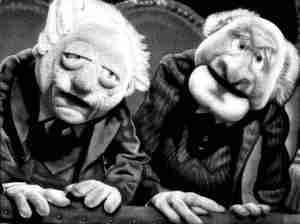 No one neither knows that nor cares. And despite what you may think, most critics (or avid readers, at least) respect the art of writing, and don’t seek opportunities to tarnish your good name in publications, or on blogs, or the Amazon user review section. Unless they’re a connoisseur of the crappy, they’re not hoping your book sucks. After all, they had to dedicate their time to reading it, didn’t they? In some cases, they paid for it with their own hard-earned cash-money, right? So, what masochists are peeling back the cover of your book with a sick gleam in their eye and saying, “I can’t wait to hate this.” Very few of these people exist, and the ones who do have gone so severely wrong in their lives that hate-reading a book is the least of their problems.
 A fancy little thingamajig called Google Alerts is configured to inform me once a week if there have been any new mentions of my books across the interspectrum. Links to these mentions are supplied to me via email, and after a deep breath, I click, and wait to see what reaction someone has had to my work. Sometimes it’s a great one. Other times…it’s not. And sometimes the not-great feedback waiting for me is vicious or beyond. Sometimes the vitriol spewed forth about my work reeks of such hostility that I start mentally auditing every day of the last year to determine if I’d accidentally aided and abetted a cuckold-like situation, or run down an elderly grandma during an afternoon drive, in an attempt to determine if this cuckolded or vroomed-over individual was related to the person currently lambasting me. Well, in the same way I’ve prepared myself for some readers and critics to hate my work, you better do the same; and you can start by realizing one thing: the hate train’s not going to stop. Ever. And that’s not (necessarily) because your book sucks, but because no one in the history of everything has ever written a book that’s since become universally loved. Not Dracula, Great Expectations, or Catcher in the Rye has enjoyed infallible praise. (Not even Gone Girl!) Think of any book you feel would be spared critical drubbings. Think of your all-time favorite book. Think of the book that touched you on the deepest level. Think of the book that made you realize you’re not at all happy and something in your life needs to change, or that you are happy, and have, at that moment, confronted and subjugated the barrier preventing you from embracing that happiness. Think of the book that saved your life. Think of the defining book that made you want to write. Now, realize someone you’ve never met, and probably never will, hates that book’s fucking guts. “Worst book ever!” they’ve already said about it on Goodreads – probably Frankenstein.
That’s the notion where you, as a writer, can take an odd bit of comfort: no matter how hard you work on your book, no matter how many years you spend poring over each of its words, no matter what emotionally devastating event occurred in your life while you were in the middle of writing Chapter 27, somewhere out there on Planet Earth, someone hates your book. They hate it to death. They hated it before you ever typed or scratched down the first word. They were going to hate your book no matter what you named your protagonist, if you opted for or avoided the split-personality twist ending, if you opened your prologue with lyrics from Bob Dylan instead of The Smiths. And this person may share their thoughts about your book in an eloquent and constructive manner, genuinely wanting to offer points of consideration for when the time comes for you to write the next one. Or, they may just corral their giggling friends around their Macbook’s microphone and laugh uproariously about the perceived stupidity of the work you believe so much in before uploading it to iTunes for free download – a chaotic, fever-dreamed, carnival-like gangbang of hate directed toward everything that means the world to you.
 Like it or not, the internet has given everyone a voice. Blogs are free to open – even those that cater to destroying every literature-personified version of yourself, and right in front of your eyes. (Those blogs are super free.) Everyone has become a critic. The idea of book reviews only appearing in printed newspaper and magazine columns, leaving the every-day opinions of readers confined to the library meeting room or the water cooler or Aunt Sophie’s couch, is an archaic notion; something of the past, and very forgotten. Now Aunt Sophie’s got her own blog, and it’s called “Sophie’s Voice.” On it, Aunt Sophie’s going to rip your book to shreds because she bought it on a whim based on the front artwork of the girl in the pink flower dress in the arms of a strapping sailor, but didn’t stop to examine the cover long enough to realize that this sailor was actually wearing hospital scrubs from the asylum he just escaped and is cutting the girl’s head off. “Not what I expected at all!” Aunt Sophie has posted. “I give this book two tea mugs out of five!”
 This rant of mine isn’t going to offer you a magical Evil Dead incantation on how to forever ward off negative reviews. There’s no scheme I can share that will enable you to avoid ever putting yourself in that line of fire. If you create, you will be criticized. That’s the only sure thing you will ever know in this world, besides the whole death and taxes thing. And I’m not going to fall back on the old adage of, “Those who can’t create, critique,” because that’s a bullshit fallback created by the artistically sensitive; a lazy straw-man defense that devalues the art of the critique in the first place, which, like it or not, is vital to the artistic movement. But this is what my takeaway message is in all this: once your book is published (and congratulations to you for making it that far) and the feedback starts rolling in, you’ll soon learn how to decipher the difference between a person who hated your book but who is offering valid, respectful, and candid insights on where you went wrong…and those other kinds of “critics” who randomly point their angry fingers at you and decide you’re next on their chopping block. These so-called critics will have the presumption to act like they’re an authority on you and profess to know what was going on in your head while you were writing the very book they’re currently tearing asunder. That’s not their right, nor their privilege. They can gleefully destroy your book all they want, which is their right, but once insults start getting thrown, and once the attacks start to become personal slights, during which blanket judgment starts being passed on you – the author, the person they’ve never met in their lives – that’s when you know you have to walk away from your computer, or phone, or coffee table, and not dedicate to it, as Johnny Cash said, any of your energy, time, or space. And if these reviews are worded in such a way to suggest the reviewer hopes the author stumbles across these thoughts one day, only so said author can experience the heights of humiliation and disillusionment these reviewers are striving toward, that’s when you’ll know the difference between critics who want to help, and armchair reviewers with “blogspot” in their URL who only want to exorcise their own demons and try to ruin your day. However, and unfortunately, that’s not to say their words aren’t going to hurt or offend any less just because their review venue doesn’t hold the same amount of prestige or pedigree as the New York Times. Because their words will hurt. No matter how removed from the process you try to remain, they’re going to hurt. Just always, always, always consider the source – and dear gosh, find something in the review to laugh at, because that’s the best writer’s therapy there is.
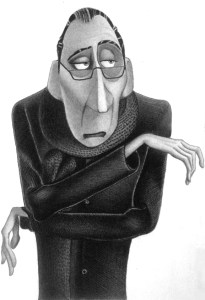 The critical process is just as valuable as the writing arts; in the same manner writers have a responsibility to put forth their very best effort before they ask readers for their hard-earned dollars, critics – professional or amateur – have a responsibility to provide honest, objective, non-biased feedback, negative or not, and leave all other prejudices at the door. Remember, reviews can be reviewed. Critiques can be criticized. In the same way a book or novella or short story can be dissected, and its merit quantified, the same thing can be done with reviews. Sometimes reviewers suck at reviewing in the same way they claim writers suck at writing. Sometimes reviewers are nothing more than assholes with an email address. It’s up to you – the struggling writer – to know the difference between a review written to help, and a review written to hurt. And you soon will. You just have to grow that thick skin first. Grow it and keep in mind: there are people out there – perfect strangers – who hope that you fail, and for no reason other than they have nothing better to do. And these people need to suck it.
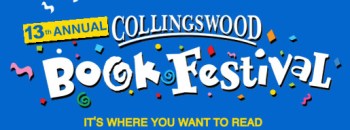 The time has come again – for both the Collingswood Book Festival, and for me to re-use some of last year’s verbiage because I am lazy! Fellow Jerseyites, Philadelphians, and…people who live in Delaware: you should come visit the Collingswood Book Festival Saturday, 10/3, from 10-4. I will be there selling copies of The End of Summer, as well as The House on Creep Street, the book I co-authored with my writing partner and fellow chum, Chris Evangelista. Check out the
  Dark Harvest, by Norman Partridge, is deceiving at first. The actual book itself is thin, numbering 170 pages, and at first glance appears to be a children’s novel. Not helping is the quite large typesetting and a line spacing that could be described as generous. I have nothing against material for younger readers, mind you – I still, after all, revisit those infamous Scary Stories books from time to time – it’s just that I was expecting something, on the surface, a bit more adult. I had no idea that what appeared to be a children’s novel was actually a novella geared toward somewhat older readers – that it would contain genuine fears and emotions shared among adolescent and adult characters alike. Dark Harvest may be a quick and breezy read, but in this case, there is no mistaking quality over quantity. And there are definitely themes at play here that are for adult eyes only: alcoholism, anger, sacrifice, abuse, bloodshed, cult worship, child death, and full-on murder.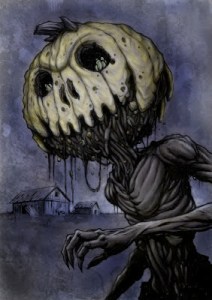
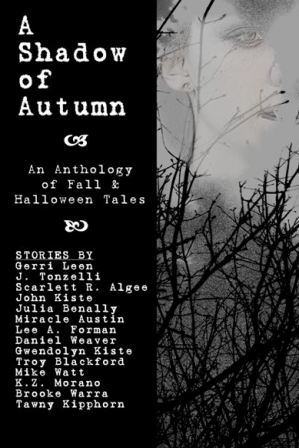 A Shadow of Autumn takes you back to childhood nostalgia while peeling away the mask to reveal things that haunt your worst nightmares. Within these pages, you’ll find the usual denizens of the holiday—demons, witches, ghosts, and bloodsuckers—along with strange and unknown creatures lurking everywhere from innocuous cornfields and pumpkin patches to basement hatches and high school dances.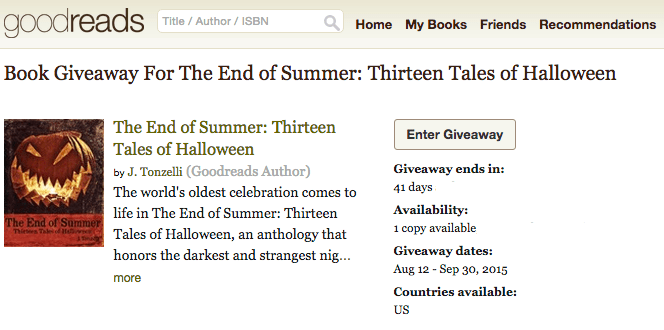
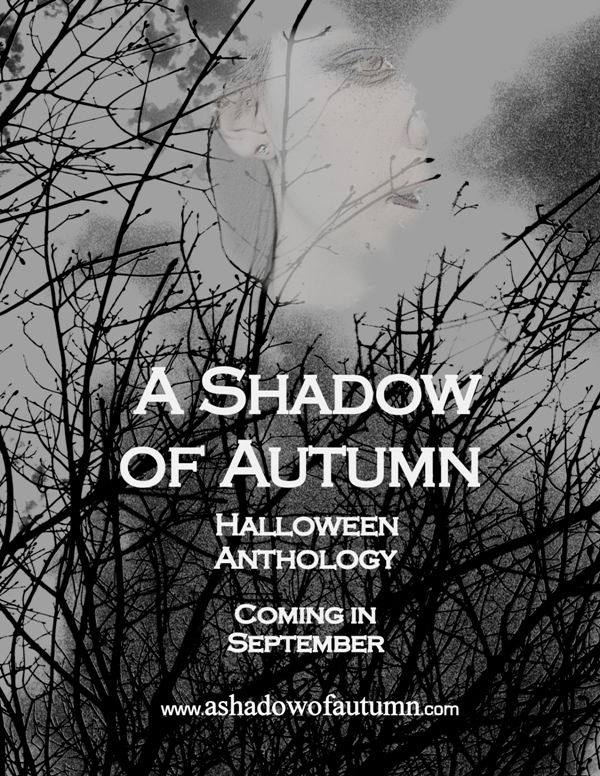
 Roma Gray, fellow author, Halloween kindred spirit, and head mistress of the website “
 The lovely
 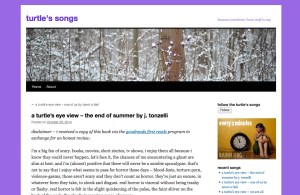 We’re two days from the big day, and I’ve received a pretty sweet Halloween present: some more kind words about The End of Summer, this time from one of the winners of the Goodreads Giveaway. The winner also writes for a blog, and they were gracious enough to share their thoughts with others in today’s blog post. Head over to
  magic of the October that’s already in full swing, or maybe it’s just taken a year for people to slowly start finding the book, but I couldn’t let it go unsaid that I truly appreciate each and every person who has contacted me via this website to let me know that they read The End of Summer and absolutely loved it. I’m not even talking about the Amazon reviews that (so far) have been pretty positive, but those who actually took time to reach out to me personally and let me know what they thought. One reader in particular wanted me to know that I had a “new fan all the way over in Germany,” which is just so cool that I don’t even know how to respond, other than offer my absolute and genuine thanks.
 J. Tonzelli
You must be logged in to post a comment.